
CURRENT RECRUITING TRIALS
CONTACT US
mvt.neurocru@mcgill.ca
ATAXIAS
No recruiting studies at this time.
HUNTINGTON'S DISEASE
NOVARTIS INVEST CHTT227
The purpose is to assess safety and tolerability of votoplam and to determine whether votoplam slows disease progression in patients with early symptomatic Huntington’s disease (HD) compared to the control arm.
This study will have a variable double-blind treatment duration of up to 36 months. As part of the study design, not every participant will complete 36 months of treatment.
HTT227 – current compound code (former code is PTC518 from PTC Therapeutics), HTT227 is Novartis code under Novartis sponsorship.
PARKINSON'S DISEASE
REGENERON ALN-SNCA-PD-2482
First-in-Human Study of ALN-SNCA in Adult Participants With Early Parkinson’s Disease (PD)
This study is researching an experimental drug called ALN-SNCA (called “study drug”). The study is focused on people with early Parkinson’s disease, a disorder of the nervous system that affects movement. Parkinson’s disease is caused by a gradual loss of nerve cells in the brain, especially those due to the harmful build-up of a protein called α-synuclein.
The aim of the study is to see if the study drug is safe and tolerated well enough to continue testing it in future studies and what side effects may happen from taking the study drug.
The study is looking at several other research questions, including:
- Whether the study drug can lower the level of α-synuclein protein in the Cerebrospinal Fluid (also referred to as “CSF”, the fluid that surrounds the brain and spinal cord)
- How much study drug is in the blood, urine, and CSF at different times
- Compatible research to better understand the study drug (ALN-SNCA) and Parkinson’s disease, including (but not limited to), whether the study drug can slow down the progression of Parkinson’s disease symptoms
ROCHE PARAISO
PARKINSON’S PROGRESSION MARKERS INITIATIVE (PPMI-2)
The purpose of this study is to obtain information from people with and without Parkinson disease (PD) so that researchers may better understand how Parkinson disease progresses, in order to inform better treatments.
This major international study was funded by the Michael J Fox Foundation. For more information on PPMI, click here.
PRION DISEASES
No recruiting studies at this time.
UPCOMING TRIALS
ATAXIAS
ACT DCS (Friedreich’s Ataxia)
Rehabilitative Trial With Cerebello-Spinal tDCS in Neurodegenerative Ataxia
Cerebellar transcranial direct current stimulation (tDCS) is a non-invasive technique, which has been demonstrated to modulate cerebellar excitability and improve symptoms in patients with cerebellar ataxias. In this randomized, double-blind, placebo-controlled study, the investigators will evaluate whether a two-weeks’ treatment with cerebellar anodal tDCS and spinal cathodal tDCS can improve symptoms in patients with neurodegenerative cerebellar ataxia and can modulate cerebello-motor connectivity, at short and long term.
HUNTINGTON'S DISEASE
HOFFMAN LAROCHE BP45378 POINT-HD
PARKINSON'S DISEASE
PARKINSON’S FOUNDATION – PD GENEration PF
Development of a central repository for PD-related genomic data for future research.
-
PD GENEration: Powered by the Parkinson’s Foundation is a global research initiative offering free genetic testing and counseling for people living with Parkinson’s disease (PD).
-
Participants can enroll online or in-person.
-
Participants receive their genetic results and contribute to advancing understanding of the biological and genetic factors behind Parkinson’s.
-
PD GENEration helps identify genetic variants linked to PD, accelerates clinical trial access and supports the development of personalized treatments.
REM SLEEP BEHAVIOUR DISORDER
YALE UNIVERSITY – PRISMS
ACTIVE (NOT RECRUITING) TRIALS
ATAXIAS
ARROWHEAD ARO-ATXN2
Adult participants with spinocerebellar ataxia type 2 (SCA2) who carry ≥33 cytosine, adenine, guanine (CAG) repeats in the ATXN2 gene, and who have met all protocol eligibility criteria will be randomized to receive a single dose of ARO-ATXN2 or placebo and be evaluated for safety, tolerability, pharmacokinetic (PK) and pharmacodynamic (PD) parameters.
HUNTINGTON'S DISEASE
HOFFMAN LAROCHE- GENERATION HD2
This study will evaluate the safety, biomarkers and efficacy of tominersen compared to placebo in participants with prodromal and early Huntington’s disease (HD).
HOFFMAN LAROCHE- WE45491
For participation in this epidemiological study, a single-day visit at the study site is required. Participants will be recruited from Huntington Disease clinics, and they will be asked to answer questions regarding their demographics, including sex, age, race and ethnicity, and their medical and medication history. At the end of the visit, a blood sample will be drawn to allow testing with a sequencing assay that is specifically designed for phasing single nucleotide polymorphisms (SNPs) on the wild-type Huntington (wtHTT) and mutant Huntington (mHTT) alleles.
PARKINSON'S DISEASE
BIOGEN LUMA
In this study, researchers will learn more about a study drug called BIIB122 in participants with early-stage Parkinson’s disease (PD). The main question researchers want to answer is: How long does it take for PD symptoms to worsen during BIIB122 treatment? Researchers will answer this and other questions by measuring the symptoms of PD over time using a variety of scoring tools.
The study will include adults aged 30 to 80 who were diagnosed with PD within 2 years of starting the study.
Patients must not be on or have previously taken Levadopa (or similar) treatment.
HOFFMAN LAROCHE – PADOVA
Currently, there is no approved medication to modify the progression of Parkinson’s disease (PD).
The PADOVA (Roche BN42358) clinical trial is studying the safety and efficacy of a drug for individuals with early Parkinson’s disease.
- Aged 50 to 85, diagnosed with PD for at least 6 months and up to 3 years
- Currently taking no more than 1 medication for PD (maximum daily dose of 450 mg of levodopa, 1 mg of rasagiline, or 10 mg of selegiline)
- Able to undergo medical procedures such as MRI and DaTScans
- Willing to use a smartphone application and smartwatch for the duration of the study
- The study will last at least 76 weeks
- There is no compensation for this study. However, costs related to participation in the study, such as travel and meals during visit days, will be reimbursed.
The Team – ALS
THE TEAM

Dr. R. Postuma
Principal Investigator

Dr. M Pandolfo
Principal Investigator

Nadine Zablith
Clinical Research Coordinator

Sara Elatris
Clinical Research Coordinator
The Team – ALS
The Team
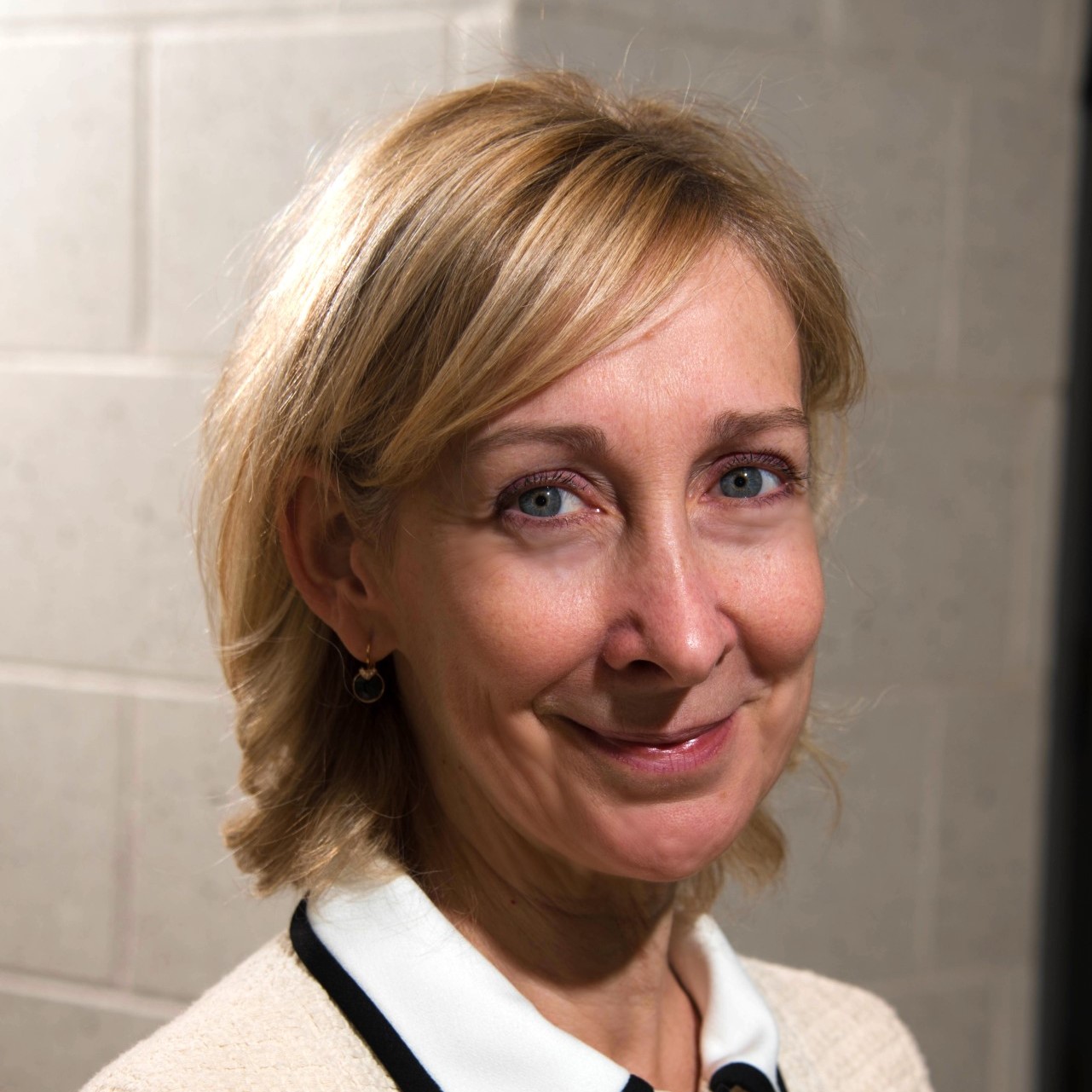
Dr. A-L Lafontaine
Principal Investigator

Yara Nasr
Team Lead

Salwa Regragui
Clinical Research Coordinator

Shaghayegh Najafipashaki
Clinical Research Coordinator