KEYNOTE SPEAKERS

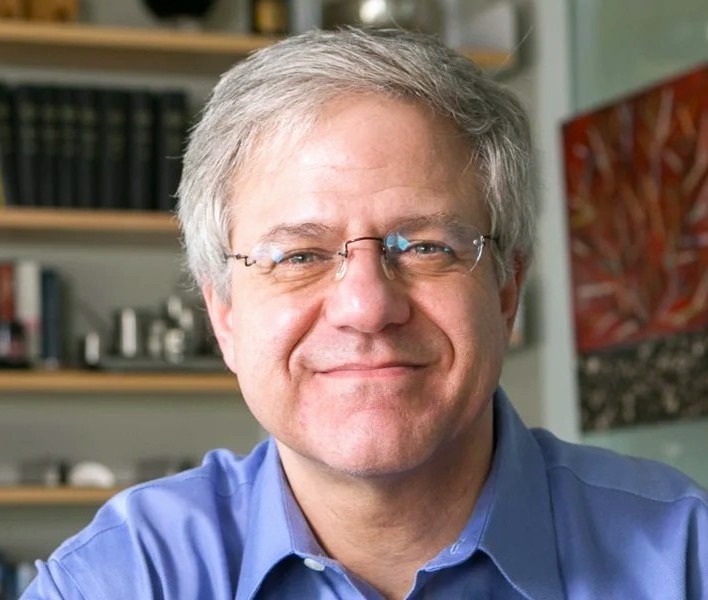
Fyodor Urnov
Prof. Fyodor Urnov is a Director of Therapeutic R&D in the Innovative Genomics Institute at UC Berkeley. He co-developed the toolbox of human genome and epigenome editing, co-named genome editing, and was on the team that advanced all of its first-in-human applications to the clinic. He also led the effort that identified the genome editing target for an approved medicine to treat sickle cell disease and beta-thalassemia.
A key focus of his work is expanding access to CRISPR therapies for genetic disease. As part of that effort Prof. Urnov directs the Danaher-IGI Beacon for CRISPR Cures – a first-in-class academia-industry partnership developing and advancing to the clinic CRISPR-based platform approaches to treat severe Mendelian diseases of the immune system.
In May 2025 a paper in the New England Journal of Medicine described the world’s first on-demand engineered CRISPR therapy for a newborn with a severe metabolic disorder; Urnov was the IGI lead of this multisite collaboration that reduced key components of “CRISPR as a platform” approach to clinical practice.
Phillip Zamore
Prof. Zamore is a Professor and Chair, RNA Therapeutics Institute at the University of Massachusetts Chan Medical School where his lab sought to understand the biology and mechanism of paradigmatic examples of Argonaute proteins and pathways, and, ultimately, to use these insights to design and improve small RNA-guided therapies for human diseases. His research led to the development and FDA approval of small RNA drugs.
Zamore’s laboratory studies small RNA silencing pathways in eukaryotes and prokaryotes, including RNA interference (RNAi), microRNA, and PIWI-interacting RNA pathways, to design therapies for human diseases, including Huntington’s disease.
His distinguished career in RNA biology and therapeutics spans four decades, during which his discoveries have led to novel therapies for human diseases. He joined the McGill Faculty of Medicine this fall and will collaborate with the university’s D2R: DNA to RNA Initiative
FEATURED SPEAKERS
ISABELLE AUBERT
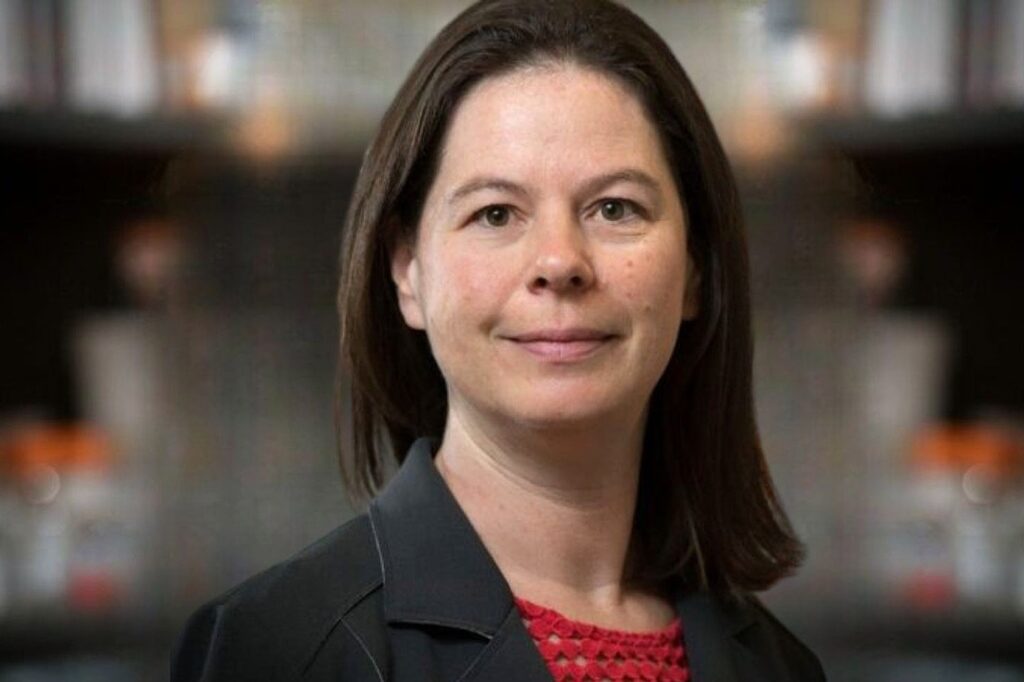
Isabelle Aubert is a Professor in the Department of Laboratory Medicine and Pathology and a Senior Scientist at the Sunnybrook Research Institute in Toronto.
She leads the Brain Repair Group, which focuses on developing therapies to stop neurodegeneration and promote regeneration under pathological conditions found in cases of Alzheimer’s disease. Novel treatments are being tested in models of Alzheimer’s disease to deliver therapeutic molecules across the blood-brain barrier, halt the toxicity of beta-amyloid peptides and induce neuronal survival and regeneration. Pharmacological approaches, immunotherapy, and gene and cell therapy are being evaluated for their potential in maintaining neuronal health and inducing brain repair.
Her research explores innovative ways that focused ultrasound combined with microbubbles can deliver therapeutic molecules to protect and repair the brain.
BENOIT GENTIL
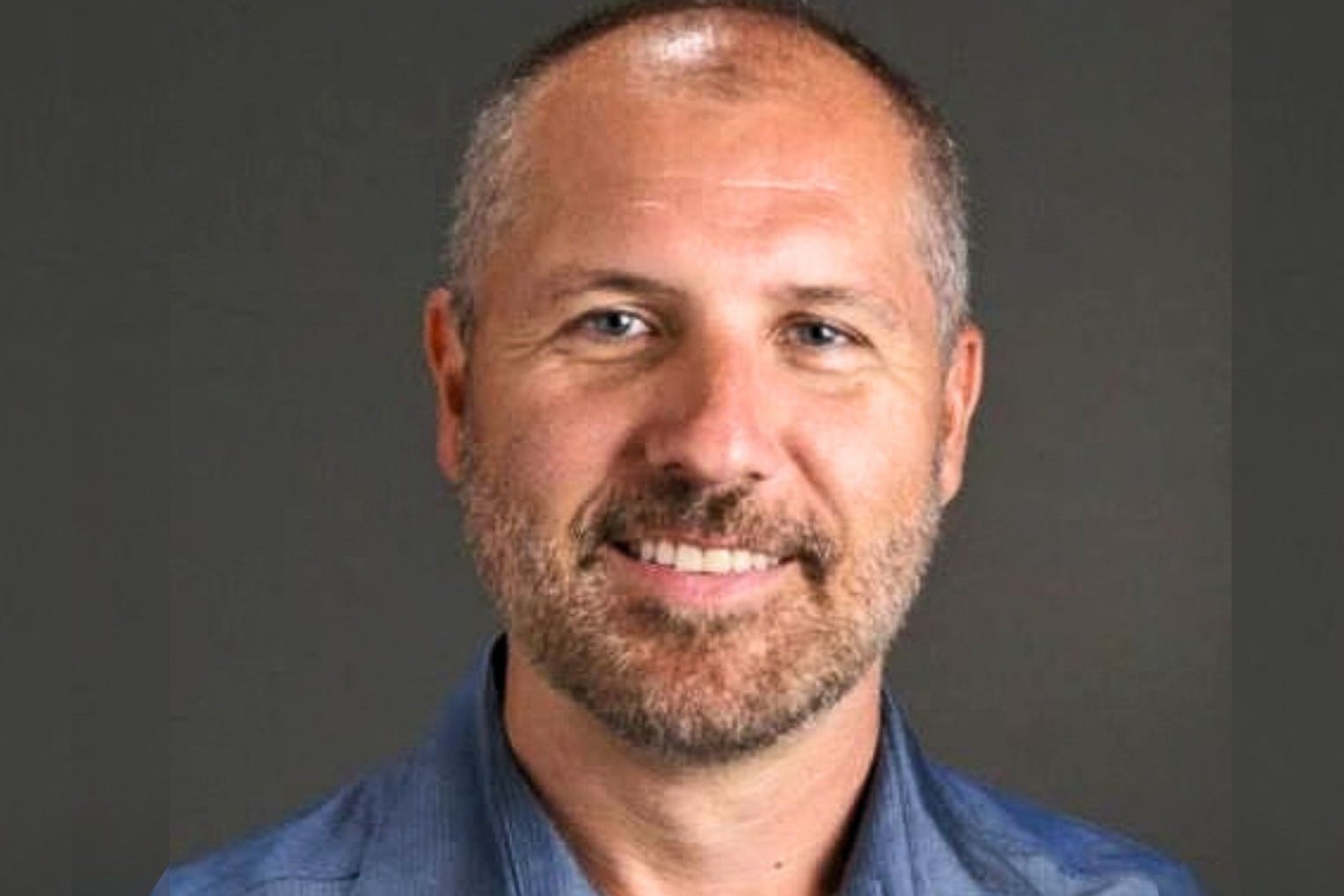
An internationally recognized scholar, Benoit Gentil is the director of the Laboratory of Genetics and Epigenetics of Motor Development and Performance and an Associate Professor in the Kinesiology and Physical Education Department at McGill University.
Gentil’s research focuses on motor development, human performance and neuromuscular disease. He is committed to understanding pathologies related to postnatal motor development—such as peripheral neuropathies and ataxias like ARSACS.
He pursues individualized approaches to enhance performance and health through precision exercise and personalized medicine supported by CIHR and ARSACS Foundation grants. He also actively collaborate with industry partners to accelerate translation of treatments from bench to bedside.
DERRICK GIBBINGS
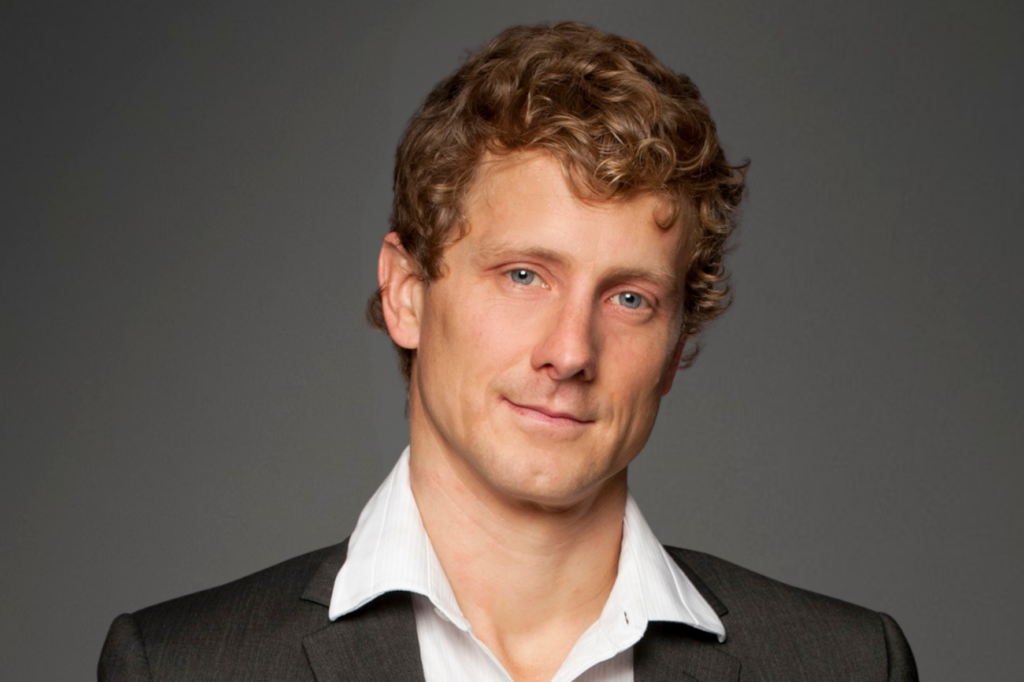
A Professor in the Department of Cellular and Molecular Medicine and Associate Vice-President, Research Support and Infrastructure the University of Ottawa, Dr. Gibbings was also one of the first researchers to draw attention to the importance of RNA degradation by autophagy, a process with important consequences in cancer and many neurodegenerative diseases. He made groundbreaking discoveries on how microRNA complexes are transported extracellularly by exosomes. A discovery now patented and transformed into a clinically-used diagnostic test with Alnylam Pharmaceuticals, a major RNA silencing therapeutics company.
His lab has two major research axes: autophagy and extracellular vesicles called exosomes. Strikingly, exosomes can deliver RNA between cells and even systemically across the blood-brain barrier. Dr. Gibbings’ long-term goal is to understand how exosomes package and traffic RNA throughout the body and apply this to revolutionize drug delivery by using exosomes to deliver large drugs, including siRNA.
His lab’s second axis is RNA degradation by autophagy, which selectively degrades cytoplasmic substrates. Defective autophagy causes cancer and neurodegenerative disease, and this has sparked over 200 clinical trials of autophagy-activating drugs like mTOR inhibitors. Dr. Gibbings demonstrated two novel ways that autophagy regulates RNA and may contribute to cancer. His goal is to identify which RNAs are degraded by autophagy, the mechanisms and their contribution to diseases including cancers and neurodegenerative diseases.
STALINJEET GILL + NAVPREET SANGHA

YONG-HUI JIANG
Yong-Hui Jiang is Dorys McConnell Duberg Professor of Neuroscience and Chief of Medical Genetics at Yale School of Medicine. His clinical expertise focusses on the clinical and biochemical genetics of rare and undiagnosed diseases in children and adult.
Dr. Jiang’s research interests include uncovering the genetic and epigenetic bases of neurodevelopmental disorders or rare diseases with neurodevelopmental defects; modelling genetic diseases using human patients derived cellular models and genetic mutant mice; understanding the circuit and molecular mechanisms underlying autism spectrum disorder; and developing novel molecular and epigenetic targeted therapies for genetic and epigenetic diseases.
He is the Director of Yale NORD Center of Excellence and Principal Investigator of the Yale Diagnostic Center of Excellence for Undiagnosed Diseases-NIH Undiagnosed Disease Network Phase III.

ANDRES LOZANO
Andres Lozano, OC, MD, PhD, FRCSC, FRSC, FCAHS, FCNS is a 1983 graduate of the University of Ottawa Faculty of Medicine. He trained in Neurosurgery at McGill University and became a Fellow of the Royal College of Physicians and Surgeons in Canada in 1990, also earning a PhD in Experimental Medicine in during his residency. He studied stereotactic and functional neurosurgery with Dr. Ronald Tasker, at Toronto Western Hospital, and joined the neurosurgical staff at the University of Toronto in 1991. He holds the distinguished title of University Professor in the Department of Surgery, and holds the Alan & Susan Hudson Cornerstone Chair in Neurosurgery at University Health Network. He is the past Chairman of Neurosurgery at the University of Toronto (2010-2020) and Past President of the American Society for Stereotactic and Functional Neurosurgery (ASSFN) and the World Society for Stereotactic and Functional Neurosurgery (WSSFN). Since 2020 he has served as the fourth Editor-in-Chief of the journal “Stereotactic and Functional Neurosurgery”. Dr. Lozano has served as a founding member of several research organizations, including the Michael J. Fox Foundation. He has been designated a highly cited scientist yearly for over 10 years (Clarivate). His awards include the Olivecrona Medal, Salk Award, Dandy Medal and Segerfalk Award, and he has been elected to the Royal Society of Canada, Order of Spain and an Officer of the Order of Canada.
MARYAM OSKOUI
MASSIMO PANDOLFO
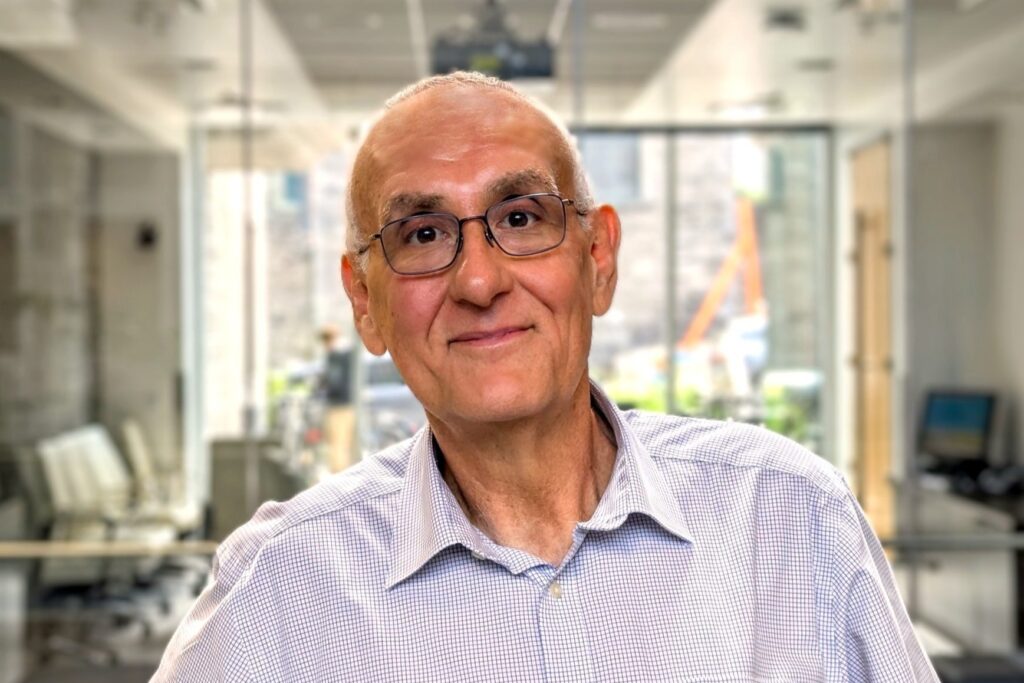
Massimo Pandolfo is the Medical Director of the Clinical Research Unit at The Neuro (Montreal Neurological Institute-Hospital) at McGill University. Prior to coming to McGill, Dr. Pandolfo was Chief of Neurology at Erasme Hospital and Director of the Laboratory of Experimental Neurology at the Université Libre de Bruxelles (ULB), .
His research interests focus on neurogenetics. In 1996, an international collaboration led by Dr. Pandolfo was the first to identify the Friedreich’s ataxia (FRDA) gene. He has since contributed to the study of the molecular pathogenesis of the disease, to the development of therapeutic and has contributed to the study of several monogenic epilepsies and on epilepsy pharmacogenetics. He has been the coordinator of EFACTS (European Friedreich’s Ataxia Consortium for Translational Studies) and is currently on the Board of Directors of the Ataxia Charlevoix-Saguenay Foundation.

JAGDEEP WALIA
Dr. Jagdeep Walia is a medical geneticist and full-time professor in the Division of Medical Genetics, Department of Pediatrics at Queen’s University. A graduate of the Guru Nanak Dev University School of Medicine and Medical Genetics residency in University of Manitoba, he joined Queen’s University in 2012.
Dr. Walia’s lab focuses on developing novel gene therapy approaches for inherited and acquired neurodegenerative disorders including GM2 gangliosidosis, creatine deficiency disorders, XLID98 and Galactosemia.
MODERATORS

ZIV GAN-OR
At The Neuro (Montreal Neurological Institute-Hospital), Ziv Gan-Or is the executive director of the Clinical Research Unit and director of the Neurogenomics and Precision Medicine lab. His team works to identify targets for drug development in neurodegenerative disorders using genetic methods; to understand how genetics affect disease risk, progression and response to medications; and to learn how to apply genomics to improve clinical trials by targeting specific genetic subpopulations of patients.
His work on the GBA1 gene in Parkinson’s disease (PD) helped advance the first ever phase 2 trial on a genetic subtype of PD. Other genes, that Dr. Gan-Or’s research identified as important in PD, including SMPD1, TMEM175, GALC, are currently being developed as therapeutic targets. He is also the Director of the GBA1-Canada Program, the lead of the International REM-sleep Behavior Disorder Genomics Consortium, the lead of the Clinical Genetics and Gene Discovery team of the Canadian Consortium for Neurodegeneration in Aging (CCNA), among other initiatives.

SIMON THEBAULT
Key research areas include validating the clinical utility of emerging serum biomarkers such as neurofilament light chain and glial fibrillary acidic protein, characterizing cerebrospinal fluid protein and immune cell profiles as indicators of CNS-compartmentalized inflammation, and investigating the role of Epstein-Barr virus in priming disease activity in MS, both as a potential biomarker and a therapeutic target.
YANG ZHOU
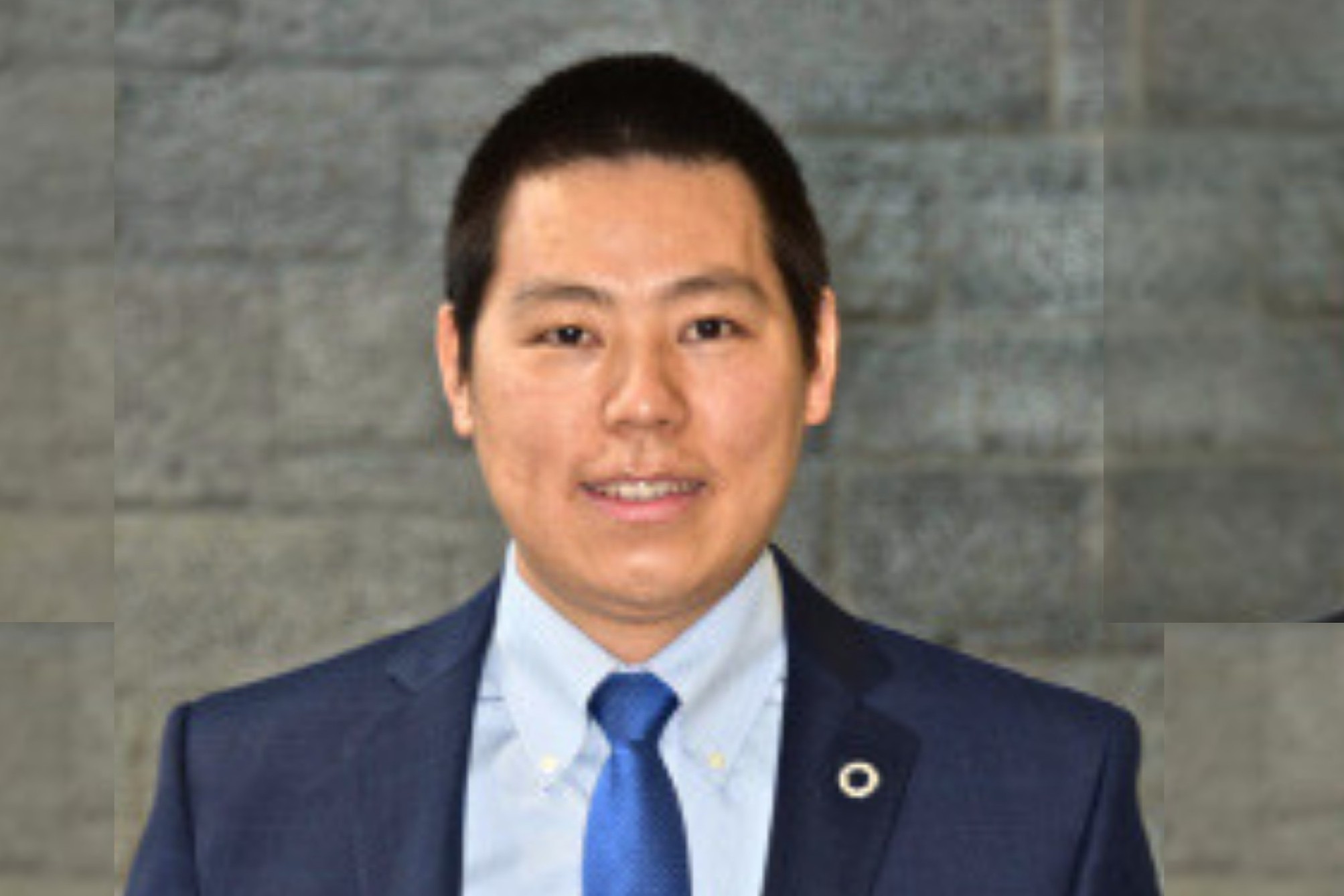
Yang Zhou is a researcher at The Neuro (Montreal Neurological Institute-Hospital). His lab aims to deepen the understanding of autism and severe forms of Neurodevelopmental Disorders (NDDs), including intellectual disabilities and epilepsy. Learning from clinical and genetic discoveries, his group applies experimental models to characterize gene mutations associated with NDDs.
Through extensive collaboration, his group carries out research utilizing molecular, genetic, genomic, and neurobiological approaches. They work on (1) uncovering the function of risk genes in developmental and adult brains, (2) identifying novel mechanisms/pathophysiology underlying NDDs, and (3) correcting mutated genes and examining the reversibility of impaired neural and behavioral functions. The ultimate goal of his group is to provide findings and knowledge that may accelerate the development of therapies for affected individuals.
GOLD SPONSORS

SILVER SPONSORS

BRONZE SPONSORS